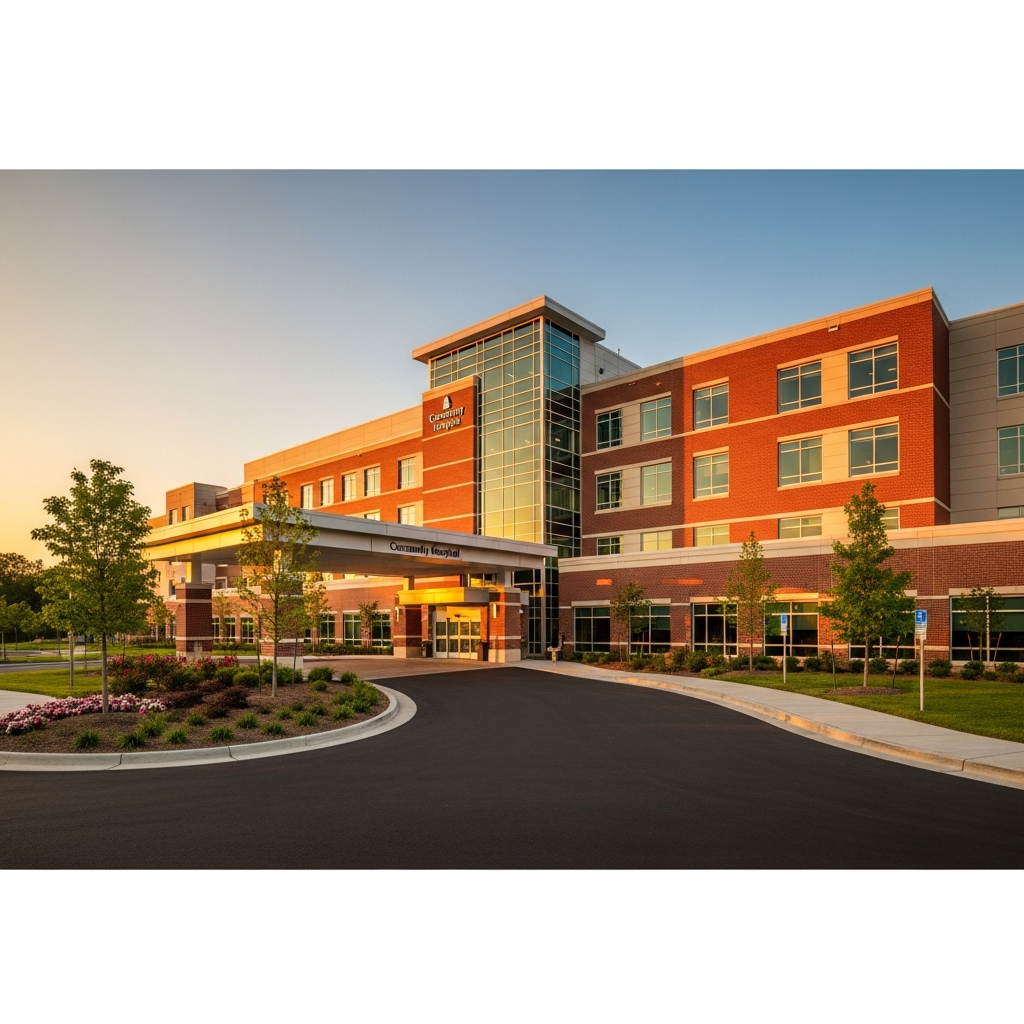
Community Hospitals & Health Systems
Fewer than 1 in 4 admissions get a documented SDOH screening today. With Mira, every patient is screened, triaged, and followed up — across your entire population, before discharge becomes readmission.
Powered by Mira — your AI companion
The Hospital Problem
Across community hospitals, a small subset of patients with unmet housing, food, transportation, and behavioral health needs drives a disproportionate share of ED revisits, 30-day readmissions, and CMS penalty exposure. Medical social workers know who they are — they just don't have the bandwidth to reach them all.
Medicare patients are readmitted within 30 days — a third of those readmissions are avoidable
Of high-utilizer ED patients have at least one unmet social need driving repeat visits
In annual CMS readmission penalties levied on U.S. hospitals under the HRRP program
Of inpatient admissions receive a documented SDOH screening today
What Mira Does
At Admission
Universal SDOH screening for every admission and ED registration — bedside tablet, family phone, or patient portal — in any language.
A 67-year-old admitted for CHF exacerbation is screened on admission. Mira flags housing instability and food insecurity before the case management team rounds.
During Stay → Discharge Planning
Positive screens flow into a triaged work queue for medical SWs, case managers, and care coordinators with full clinical context.
An ED super-utilizer with 6 visits in 90 days is matched to housing-first navigation and a behavioral health bridge appointment before discharge.
Post-Discharge
Mira conducts 48-hour, 7-day, and 30-day follow-up — confirms medication pickup, transportation, follow-up appointments, and closes the referral loop.
48 hours post-discharge, Mira confirms the patient picked up their prescription and has a ride to cardiology. A missed follow-up gets flagged to the care manager same-day.
Across the Service Lines
Emergency Department
Identify ED super-utilizers, route to community navigators, prevent return visits driven by social need.
Inpatient Discharge Planning
Care managers see SDOH context the morning of every discharge — not the afternoon of.
Behavioral Health
Bridge appointments, housing referrals, and outpatient follow-up coordinated for psych admissions and ED holds.
Charity Care & Financial Counseling
Patients screened for benefits eligibility (Medicaid, SNAP, energy assistance) at the point of care.
Geriatric & Care Transitions
Post-acute placement, home health, transportation, and caregiver support coordinated across the discharge window.
Maternal & Child Health
Postpartum follow-up, food security, transportation to well-child visits — all confirmed, not assumed.
For Medical Social Workers & Case Managers
For Patients & Their Families
Case Study · Community Hospital
Reference profile: Lakeview Regional Medical Center · 248 beds · 14 medical social workers · 38K ED visits + 11K admissions per year
The Situation
Lakeview was in CMS HRRP penalty for the third consecutive year — primarily driven by CHF, COPD, and pneumonia readmissions. SDOH screening was happening on less than a quarter of admissions. Their 14 medical social workers were splitting time between ED consults, discharge planning, and behavioral health holds — with almost nothing left for proactive post-discharge follow-up.
What Mira Did
Mira deployed across registration (universal SDOH screening), inpatient discharge (a triaged morning work queue for case management), and post-discharge (48-hour, 7-day, and 30-day automated check-ins with closed-loop referrals to community resources). Medical SWs kept full clinical authority — Mira removed the documentation and follow-up burden so they could focus on bedside complexity.
FULL COVERAGE
98%
Of admissions screened for SDOH (from 22%)
FEWER PENALTIES
–24%
30-day readmissions for CHF / COPD / pneumonia cohort
CAPACITY
+12 hrs
Returned per medical SW per week — redirected to complex cases
AVOIDED COST
$3.6M
Estimated avoided readmission cost + penalty exposure per year
Real Impact
Toggle between before and after to see how a typical hospital medical social worker's day shifts with Mira. The persona below is a composite drawn from real care management workflows — names and quotes are illustrative, not testimonials.
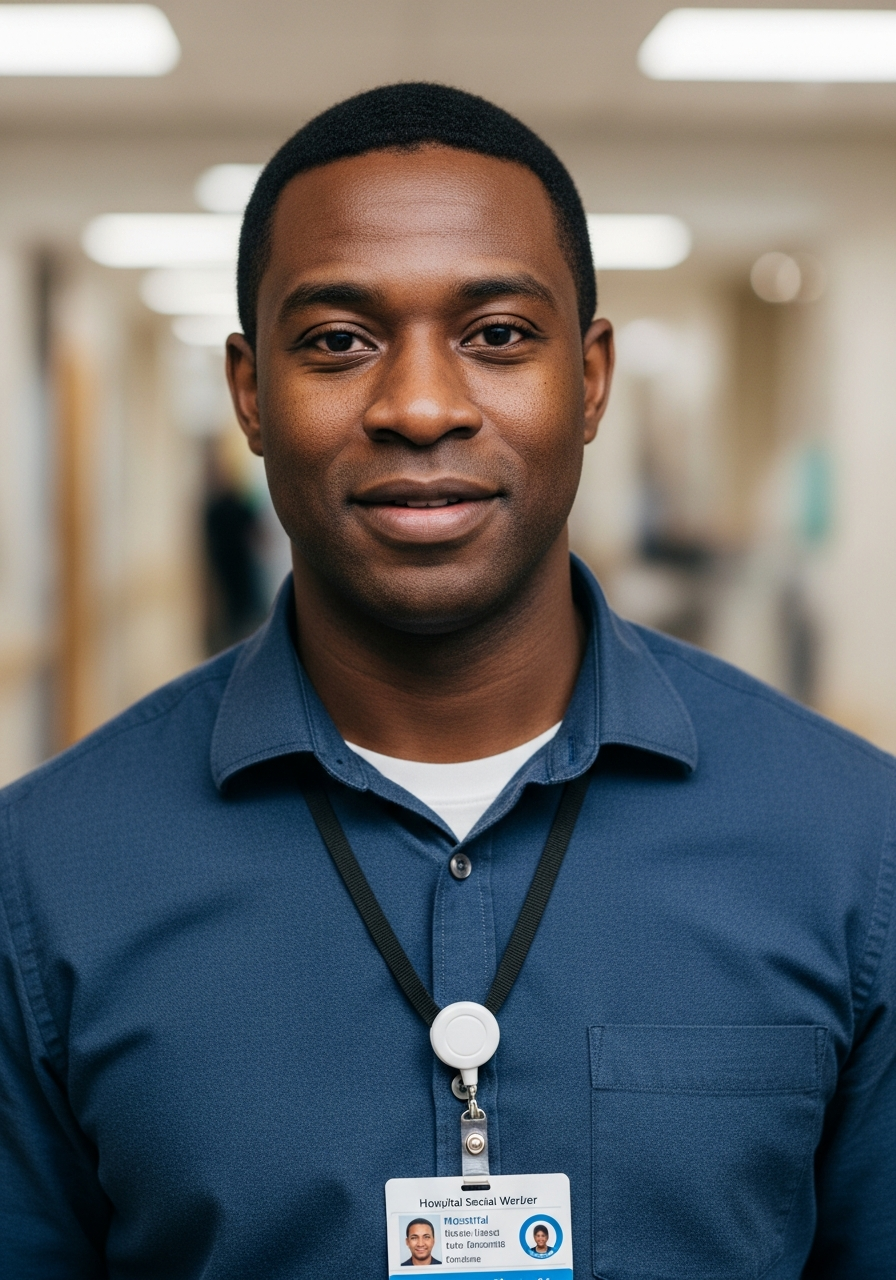
Medical Social Worker
Marcus Williams, LCSW
Lakeview Regional Medical Center · Care Management
Fictional name and organization
"I'd start each shift with a list of 18 patients to see — discharges, behavioral health holds, ED consults, transitions of care. SDOH screening was supposed to happen on every admission. In reality, we got to maybe one in four. The patients I worried about most were the ones I knew we'd see again in two weeks."
SDOH screening completed on under 25% of admissions
Post-discharge follow-up handled inconsistently — depended on individual SW availability
No closed-loop referral tracking — sent to community partners and hoped
Repeat readmissions of patients with the same unaddressed housing or transportation barrier
Discharge assessments typed manually, often after-hours, on personal time
Illustrative scenario built from typical workflows of hospital medical social workers and care management teams. Quote, name, and organization are fictional and do not represent a specific person or customer. Stock photography used with license.
98%
Admissions screened for SDOH
–24%
30-day readmissions in target cohort
+12 hrs
Returned per SW per week
Mira ensures no patient leaves your hospital without a screened need, a matched resource, and a follow-up scheduled.