For School Districts
1.55 million K-12 students were identified as homeless last year — a record high. The crisis isn’t slowing down. Your McKinney-Vento liaisons can’t either. Family Thread helps your district identify more students, drop the documentation burden, and keep families connected to the help they qualify for — held together by Mira, an AI companion who remembers every family so your liaisons don’t have to.
Family Thread · Powered by Mira · From MV Learning
For District Leadership · 2026
The Problem
1.55 million K-12 students were identified as homeless in SY2023–24 — a record high, up 12.6% year over year. Behind every number is a family that needs help and a liaison who doesn't have enough hours in the day.
public school
students faces
housing instability
For the students, housing instability means:
Chronic absenteeism and school transfers
Disrupted academic progress
Missed meals, inadequate clothing, transportation gaps
Gaps in documentation and legal protection
The User
The job cannot be done the way it was designed. 60% of a liaison or social worker’s day is admin — not family work, not judgment, not care.
Documentation & case notes
8.8 hrs/wk
Intake & forms
7.2 hrs/wk
Follow-up & chasing no-shows
6.0 hrs/wk
Referral coordination
4.0 hrs/wk
Meetings & reporting
6.0 hrs/wk
Direct family work & crisis
8.0 hrs/wk
80% of the week is 'system work' — not the human work only you can do.
The consequence:
Average caseload (recommended: 1:250, never met in any state)
Annual turnover in school social work — driven by burnout and admin fatigue
Typical time for a family to receive follow-up on a referral
Crisis signals in case notes that never trigger action due to triage delay
The Insight
One is sacred. One is repeatable. We keep giving them both to the same human.
Human Work · Only a person can do this
Judgment under uncertainty
Reading a family's real situation behind what they say.
Trust with families in crisis
Showing up in moments that matter, person to person.
Crisis response
The clinical instinct that flags danger before the system sees it.
Advocacy
Fighting for a student or a family inside an institution.
System Work · Mira does this. 24/7.
Intake & structured data capture
Collect the full story once — by text, voice, or form.
Triage & risk scoring
Rank urgency the moment a signal arrives.
Documentation & case notes
Draft a complete, compliant note after every contact.
Referral matching & tracking
Find the resource, send the referral, verify the outcome.
Follow-up & nudges
Check in relentlessly until the loop is closed.
Today, one person does both. That does not scale.
The Solution
A Family Stability and Coordination Platform for McKinney-Vento programs — built to solve the coordination challenge, the compliance challenge, and the capacity crisis facing your social workers and liaisons.
At the center: Mira — your AI companion
For liaisons and social workers:

Powered by Mira
Someone who remembers.
Human liaisons and social workers remain fully in control. Mira removes administrative friction so staff can focus on the work only they can do.
The Return
One liaison or social worker, with Mira, serves what it used to take three to do.
Active cases per liaison / social worker
Without Mira
100–120
With Mira
250–300
Avg. time to follow-up on a referral
Without Mira
6 weeks
With Mira
24 hrs
Cases with complete, compliant docs
Without Mira
30–40%
With Mira
>95%
Admin cost per $1 spent on care
Without Mira
$0.82
With Mira
$0.18
Projected from pilot modeling + benchmark studies in adjacent AI-augmented case management deployments (Eleos Health, Binti AI, Branching Minds ROI).
Real Impact
Toggle between before and after to see how a typical McKinney-Vento liaison's day shifts with Mira. The persona below is a composite drawn from real liaison workflows — names and quotes are illustrative, not testimonials.

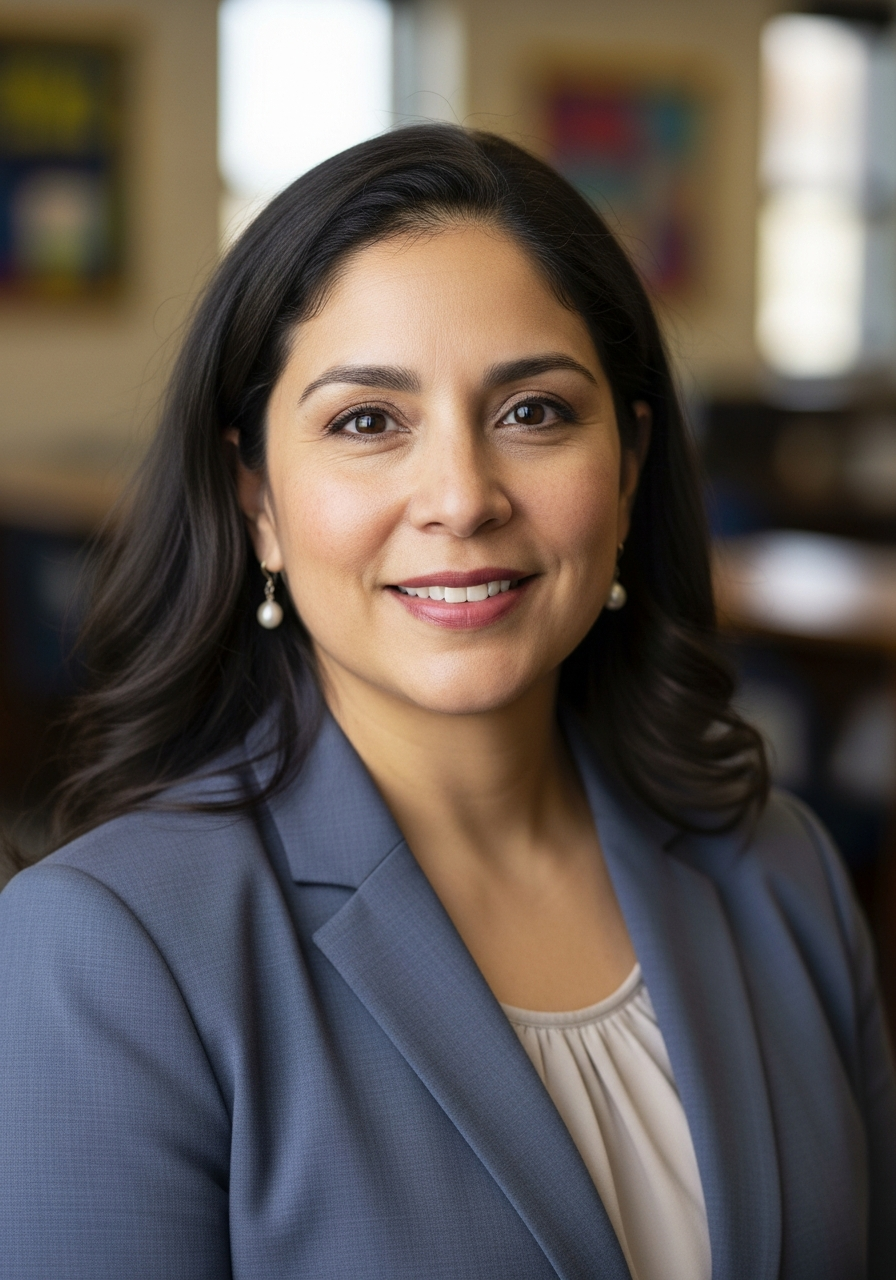
McKinney-Vento Liaison
Maria Gonzalez
Meridian County Public Schools
Fictional name and organization
"I'd get to school at 7 AM and spend the first three hours just catching up on paperwork from the day before. By the time I could actually talk to a family, I was already behind. I knew there were kids I was missing — I just didn't have the bandwidth to find them."
22+ hours per week on intake forms, case notes, and federal reporting
Referrals sent with no way to confirm families actually received help
412 identified students — but an estimated 150 more going undetected
Compliance reports assembled manually from spreadsheets, days before deadline
Constant anxiety about the cases she couldn't get to
Illustrative scenario built from typical workflows of McKinney-Vento liaisons and district homeless education staff. Quote, name, and organization are fictional and do not represent a specific person or customer. Stock photography used with license.
–73%
Reduction in admin time per liaison
+180
Additional students identified in year 1
8×+
Projected ROI for the district
In Action
Student indicates unstable housing
Flagged on a residency questionnaire
Liaison triggers Family Thread
Mira sends a secure intake link to the family — text or voice, in their language
Mira gathers info and prepares a case summary
Structured and ready for liaison or social worker review by morning
Liaison reviews and confirms eligibility
Human judgment at every decision point — nothing autonomous
Mira coordinates community resources
Families receive targeted, documented support — with verified follow-up
MIRA · Liaison Dashboard
West Ottawa Public Schools · Tuesday · 7:42 AM
7
New intakes overnight
2
Urgent — needs your review
14
Follow-ups completed by Mira
11
Case notes ready to approve
Possible eviction within 7 days. Draft ready to approve.
Missed 4 check-ins. Mira attempted outreach 3×. Recommend direct call.
Referred to County Mental Health 14 days ago. First appt scheduled.
Case Study · School District
Reference profile: Meridian County Public Schools · 14,200 K-12 students · 2 McKinney-Vento liaisons · 6 school social workers
The Situation
Meridian identified 412 students as homeless — up 28% from two years ago. Two liaisons were spending roughly 22 hours a week on intake, documentation, and federal data submission. They knew another ~150 students were going unidentified, but had no capacity to look.
What Mira Did
Families text Mira directly. Mira handles intake in Spanish and English, verifies eligibility, drafts EHCY documentation, logs services, tracks referrals to community partners, and auto-generates the annual federal CSPR submission. The 6 school social workers also use Mira for MTSS attendance, SEL cases, and family engagement across their full caseload.
–73%
22 → 6
Hours/week per liaison on admin
+44%
+180
Additional students identified in year 1
NEW
~$145K
Annualized EHCY funding captured via cleaner reporting
ROI
8×+
Projected ROI

The Ultimate Goal
When families receive coordinated support quickly, students are more likely to:
Why Districts Choose This
District leaders choose Family Thread because it delivers across every dimension that matters — for families, for staff, and for federal compliance.
Platform overview
Platform
Family Thread
AI Engine
Mira — your AI companion
Users
Liaisons, social workers, district admin
Families served
Any language, any time, via text or voice
Compliance
FERPA · COPPA · EHCY · CSPR
When liaisons have time to be liaisons, families get what they actually need.
Family Thread · Powered by Mira · From MV Learning
Platform
Family Thread
Powered by
Mira — your AI companion
Users
Liaisons · Social workers · Families